India · Uganda · Kenya · Britain · Canada
The Diaspora Journey
Two Autofiction Novels · Literary Testimony · Lived Experience
How the demographic character of the United Kingdom changed in the post-colonial era — with particular reference to Indians from East Africa, and especially Uganda — is one of the central themes behind these two novels. Through an extended family story, Unsuitable Girl and Hold Fast to Dreams explore how migration from India to East Africa, and later to Britain and Canada, reshaped ideas of home, identity, family and belonging.
The books are autofiction novels, rooted in lived experience and family memory. Beginning in the 1930s and moving across India, Uganda, Kenya, the United Kingdom and Canada, they place individual lives within the larger story of empire, decolonisation and diaspora.
At the centre of this narrative is the lived experience of a mixed-race couple: a Uganda-Indian husband and his white Scottish wife, now in their eighties. Their shared life provides a personal perspective on interracial marriage in post-war Britain and on the changing social attitudes they encountered over many decades
Both pursued academic careers and experienced racism and prejudice not only socially but also within aspects of their professional lives. The novels therefore offer an unusually long perspective on race, marriage, academic life, social mobility and belonging — seen through the experiences of two people whose lives crossed cultural and racial boundaries during a period of profound change in British society.
These novels may be approached as autobiographically grounded literary testimony and as source material for the study of post-colonial migration, diaspora and identity. Their value lies particularly in the way personal and family experience is placed within the wider historical movement of people from India to East Africa and subsequently to Britain and Canada.
HISTORICAL CONTEXT
The family story begins in the 1930s, when migration between India and British East Africa formed part of the wider movement of people within the British Empire. It follows subsequent generations through Uganda and Kenya and, after decolonisation, to Britain and Canada. Particular attention is given to the experience of East African Indians and to the way their arrival contributed to the changing demographic and cultural character of post-war Britain.
THE NOVELS AS LITERARY TESTIMONY
These novels may be approached as autobiographically grounded literary testimony and as source material for the study of post-colonial migration, diaspora and identity. Their particular value lies in the way personal and family experience is placed within the wider historical movement of people from India to East Africa and subsequently to Britain and Canada.
DIASPORA JOURNEY
The journey traced through the two novels crosses five countries: India, Uganda, Kenya, Britain and Canada. It is both a geographical journey and a journey across generations. Each migration brought new opportunities but also questions of identity, race, culture and belonging. The novels explore what was retained from earlier homes, what was left behind, and how succeeding generations adapted to very different societies.
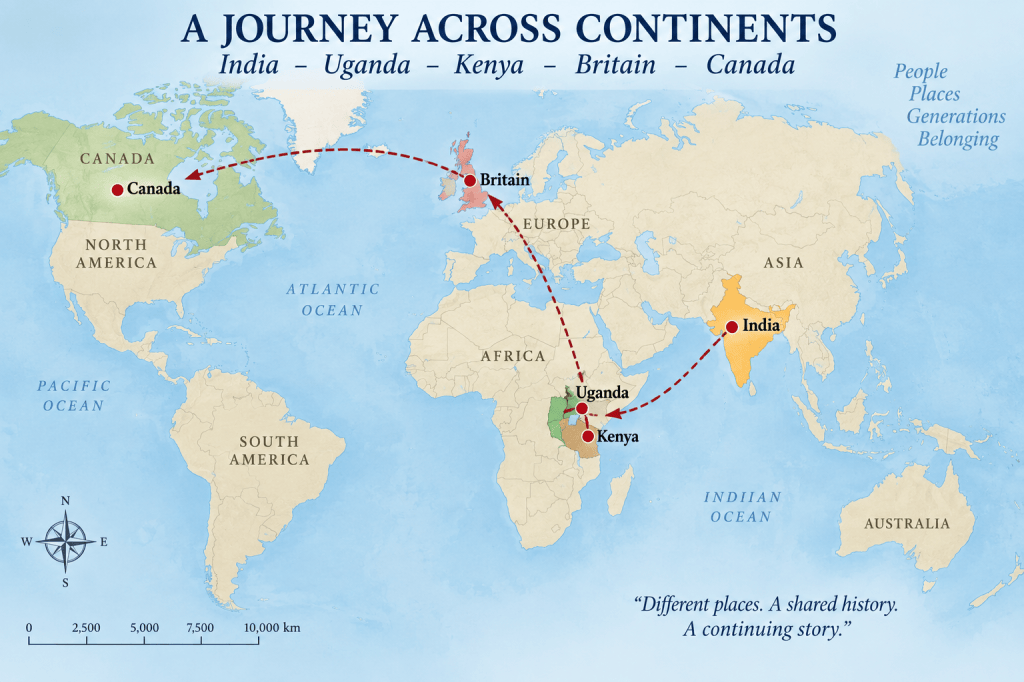
The journey traced through these novels moves from India to East Africa, particularly Uganda and Kenya, and later to Britain and Canada. It reflects the wider movements of families shaped by empire, decolonisation and migration, while remaining rooted in individual experience, memory and family history.
About the Author
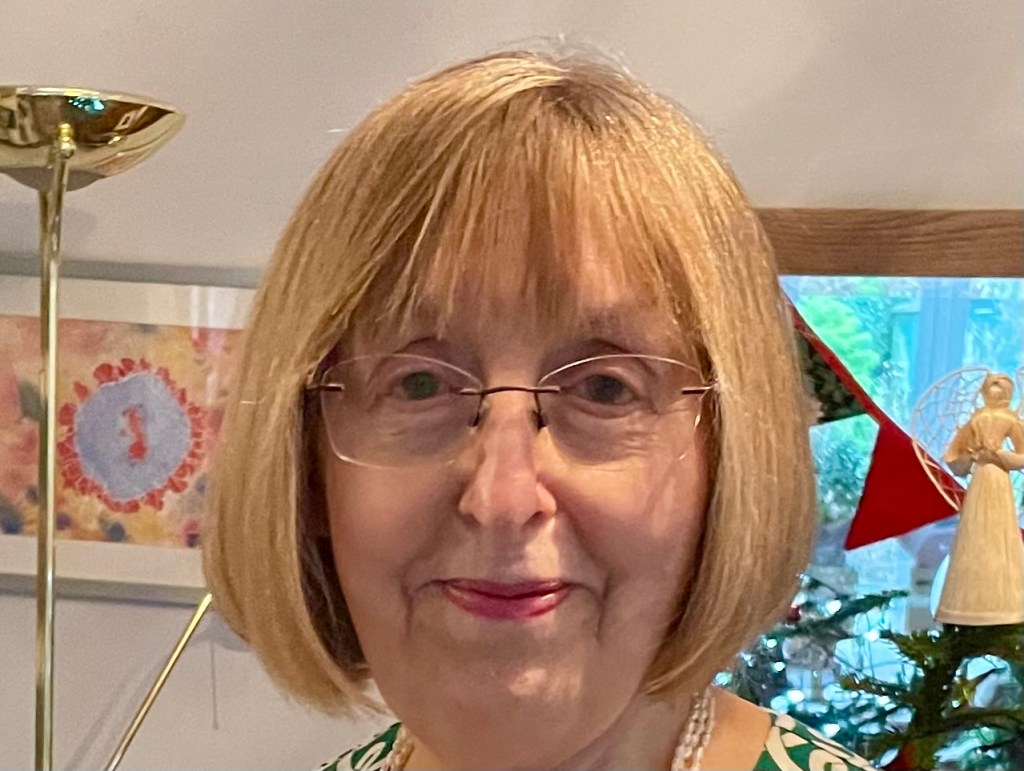
Jeannie Mehta is the author of Unsuitable Girl and Hold Fast to Dreams, two autofiction novels drawing on family history, memory and life experience across India, East Africa, Britain and Canada. Her writing explores migration, interracial marriage, identity and belonging against the background of empire, decolonisation and the changing social character of post-war Britain.
Written from the perspective of a life spanning many decades, the novels bring together personal experience and wider historical change. They offer readers an intimate account of family relationships across cultures and generations, and may be of particular interest to students and researchers concerned with post-colonial studies, diaspora, migration, race and identity.
THE TWO NOVELS
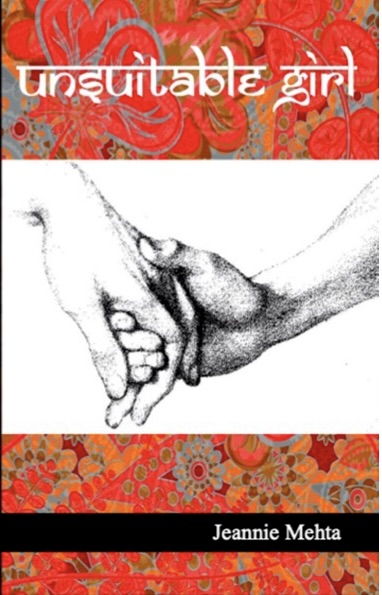
Unsuitable Girl
Unsuitable Girl begins the family story, exploring relationships across racial, cultural and social boundaries against the background of India, East Africa and Britain. Drawing on lived experience while using the freedom of fiction, the novel examines family expectations, love, marriage, migration and the difficulties of finding a place of belonging in a changing world.
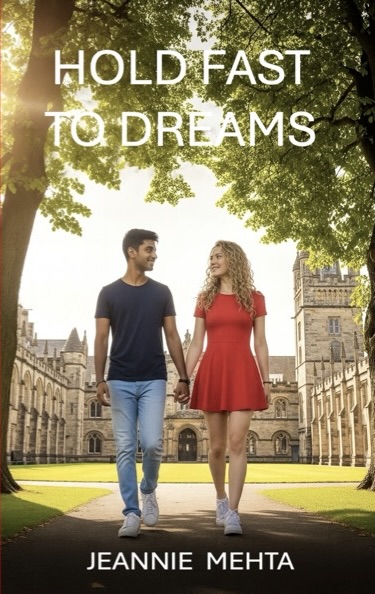
Hold Fast to Dreams
Hold Fast to Dreams continues the family story across generations and countries. It follows lives shaped by migration, changing relationships and the search for identity and belonging. Moving through East Africa, Britain and Canada, the novel reflects on how the consequences of earlier choices continue through succeeding generations, while individuals adapt to new social and cultural worlds.
Themes for Readers and Researchers
The novels may be of particular interest to readers and researchers concerned with post-colonial studies, diaspora and migration, East African Indian history, race and identity, interracial marriage, family and generational change, academic and professional life, and the changing demographic character of post-war Britain. As autofiction, the books combine lived experience and family memory with fictional reconstruction, offering a personal perspective alongside the historical record.